What Does “How to Plan Chinese New Year Event” Really Mean?
How to plan Chinese New Year event refers to the complete process of organizing a Lunar New Year celebration, from defining the purpose and guest list to managing decoration, activities, food flow, and cultural details. It applies to home gatherings, corporate dinners, school events, and community celebrations.
In practice, planning a Chinese New Year event today is no longer about just booking a venue and hanging red lanterns. It’s about creating an experience that respects tradition, fits modern lifestyles, and feels smooth for guests from start to finish.
In Singapore especially, where space is limited and expectations are high, knowing how to plan Chinese New Year event properly can make the difference between a stressful gathering and a celebration people truly enjoy.
Why Planning a Chinese New Year Event Is Different From Other Events
Chinese New Year is not just another festive date on the calendar. It carries cultural weight and emotional meaning. A well-planned event reflects:
- Respect for tradition and symbolism.
- Family unity and relationship building.
- Hope, renewal, and good fortune for the year ahead.
Because of this, the planning approach is slightly different compared to birthdays or casual parties. Timing, layout, and flow matter more than flashy elements.
Step 1: Define the Purpose of Your Chinese New Year Event
Before choosing decor or food, the first step in how to plan Chinese New Year event is understanding why you are hosting it.
Ask yourself:
- Is this a family reunion dinner?
- A corporate appreciation event?
- A community or school celebration?
- A brand-facing festive activation?
Your purpose affects every decision that follows.
Common Event Goal
| Event Type | Main Focus |
|---|---|
| Family Gathering | Comfort, warmth, tradition |
| Corporate CNY Event | Professional tone, branding |
| Community Event | Crowd flow, safety, clarity |
| Kids Celebration | Engagement, simplicity |
Step 2: Choose the Right Date and Time
Timing is critical when learning how to plan Chinese New Year event properly. Key considerations:
- Reunion dinners are usually before or on CNY Eve.
- Corporate events often happen before the holiday break.
- Community events work best during the first 7 days.
Avoid overly long schedules. Most successful CNY events last 2–4 hours, keeping guests comfortable and engaged.
Step 3: Plan the Space and Guest Flow
One mistake many hosts make is decorating first, then figuring out space later. In modern planning, it’s the opposite. When planning space:
- Identify entrance and exit points.
- Allow space for greetings and mingling.
- Separate dining, activity, and photo areas.
A simple floor plan helps avoid crowding and confusion.
Step 4: Decide on Theme and Decoration Direction
Decoration supports the mood, but it should never overpower the experience.
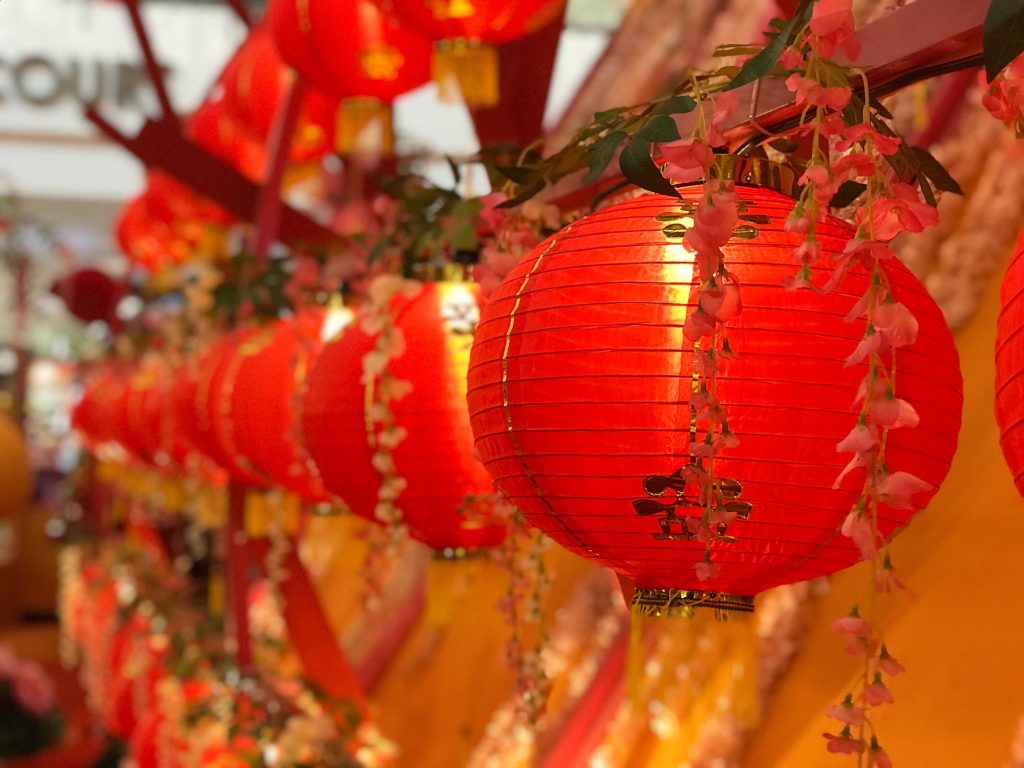
Modern planners often combine traditional elements with clean styling. This is where understanding chinese new year party decoration becomes helpful, especially when balancing symbolism and comfort. Common decoration directions:
- Traditional with subtle modern touches.
- Minimalist red-and-gold palette.
- Family-friendly festive styling.
- Elegant corporate CNY look.
If you want deeper insight into styling concepts, this guide on chinese new year party decoration explains how modern celebrations approach decor with intention.
Step 5: Plan Food, Activities, and Interaction Together
Food is central to Chinese New Year, but how it’s served matters just as much as what’s served.
Food Planning Tips
- Avoid long queues by spacing stations.
- Keep dishes accessible for elders.
- Separate drinks and desserts to reduce crowding.
Activity Ideas That Work Well
- Angpao exchange moments.
- Simple festive games.
- Calligraphy or wish-writing corners.
- Kids activity tables.
When food and activities are planned together, guests feel engaged instead of overwhelmed.
Step 6: Build in Cultural Details Without Overdoing It
Cultural elements bring meaning, but too many can feel forced. Focus on:
- Symbolic colors (red, gold).
- Zodiac elements of the year.
- Prosperity messages or greetings.
Less decoration, when done thoughtfully, often feels more respectful and elegant.
Original Insight: What Guests Remember Most
From observing dozens of real Chinese New Year events in Singapore, one insight keeps repeating:
Guests don’t remember every decoration detail.
They remember:
- Whether the event felt smooth.
- If the space was comfortable.
- How welcoming the atmosphere was.
This is why modern guides on how to plan Chinese New Year event focus on experience design, not just visuals.
Step 7: Final Checks Before Event Day
A simple checklist helps prevent last-minute stress.
Event Day Checklist
- Arrival time for setup.
- Clear signage or guidance.
- Backup plan for delays.
- Brief helpers or vendors.
Expect small changes. Flexibility is part of good planning.
Conclusion: Plan Your Chinese New Year Event With Confidence
Learning how to plan Chinese New Year event is really about understanding people, how they gather, move, eat, and connect during a meaningful celebration. A well-planned event feels:
- Comfortable, not crowded.
- Festive, not overwhelming.
- Traditional, yet relevant.
At Party Fans SG, we help families, companies, and communities turn ideas into smooth, meaningful Chinese New Year events. From planning flow and decoration to managing activities and setup, our experience allows hosts to enjoy the celebration instead of stressing over details. Visit Party Decoration to explore how we support Chinese New Year event planning from start to finish.
Pro Tips Before You Start
- Plan the experience before the decoration.
- Keep the schedule realistic.
- Design for guest comfort.
- Leave space for interaction.
- Focus on meaning, not excess.
Frequently Asked Questions
How early should I start planning a Chinese New Year event?
Ideally 4–6 weeks in advance, especially if it involves vendors or larger guest numbers.
How do I plan a Chinese New Year event in a small space?
Focus on layout and flow. Limit decor, create clear zones, and avoid bulky setups.
Is decoration more important than food for Chinese New Year events?
Both matter, but comfort and experience usually leave a stronger impression than visuals alone.
How do I balance tradition and modern style?
Use traditional symbols subtly within a clean, modern setup rather than copying old layouts directly.
Can a Chinese New Year event be simple but still meaningful?
Absolutely. Meaning comes from intention, not quantity.